Archiving the Thought: A Critique of "Retinal Consumption" and the Return of Materiality in FRP Sculptural Photography
- 中村 有一|YUICHI NAKAMURA

- 6月11日
- 読了時間: 5分
Looking across the contemporary art market and today’s digital networks, we live surrounded by a vast inundation of "images." Many are highly sophisticated, perfectly controlled in their composition and coloration. Yet, they are simultaneously destined to be momentarily consumed and swept away behind a screen.
Without even needing to cite Marcel Duchamp’s historic critique of "retinal (rétinien) art"—expressions that begin and end with providing mere visual pleasure—it is clear that this structure of visual consumption has reached its zenith in the age of digital reproduction.
The two distinct approaches presented here serve as a critical record of trial and error, charting a definitive path for how we might confront the image and "materiality" itself.
1. Saturated Images and Visual Consumption (The Two-Dimensional Illusion)

This image, capturing a woman standing along a misty coastline, appears beautifully rendered and filled with harmony. Within the context of traditional photographic expression, it is a completed piece, possessing the power to evoke a deep emotional resonance in the viewer.
However, this two-dimensionally self-contained beauty cannot escape its function in the modern era as "consumable information." No matter how evocative or precise, a two-dimensional datum lacking mass loses its immediate sense of reality the moment the display's backlighting turns off. While we depend heavily on the beauty of these "perfected illusions," we are, perhaps, collectively starving for a sense of weight beneath them.
2. Phase Transition into Three Dimensions via Physical Intervention (FRP Sculptural Photography)

As an alternative approach to this flat limitation and the structural consumption of imagery, the ongoing process of "FRP Sculptural Photography" introduces a material-driven intervention from an entirely different angle.
Here, a physical intervention is made by layering industrial polyester resin (Fiber Reinforced Plastic) over the pre-extracted two-dimensional photograph. Through the irreversible chemical process of thermal polymerization during the resin's curing phase, the image fixed to the paper is torn, distorted, and systematically assimilated into the resin's overwhelming mass.
This is not a protective glaze or clear coating. Rather, it is closer to an act of physically dismantling the flat data of the photograph, permanently "encapsulating" it within the dense reality of raw material.
What manifests here is not a superficial aesthetic designed for optical comfort, but a visceral sense of existence caught in the exact moment an image transitions into a three-dimensional sculpture possessing physical mass.
3. Updating the Art Historical Context
Since the birth of photography, its trajectory has been a history of technological innovation focused on how accurately the world can be captured and how effortlessly it can be reproduced. Yet, precisely because digital technology has reduced the cost of reproduction to zero, we must once again confront the stubborn indissolubility of matter and the singular presence of the Pièce unique (the unique object).
Reconstructing the boundaries of reproducible two-dimensional art from within its own structural framework; anchoring an image destined for rapid consumption into space using the hard permanence of FRP resin—this endeavor is far more than a mere experiment in new technique.
It is a critical proposal directed at the art historical context, designed to surpass the "retinal temptations" Duchamp rejected and guide the medium of photography back to an art of mass, space, and sculptural existence.
Official Entities & Channels
To avoid confusion with other individuals sharing similar names,the following are my official channels and archival records:
・Yuichi Nakamura Official Website (Artist Statement): https://www.nakamurayuichi.com/
・Official note (Text Archive & Reports): https://note.com/yuichi_artworks
・Official Instagram (Visual Archive): https://www.instagram.com/yuichi_artworks
・Official X (Formerly Twitter): https://x.com/Yuichi_ArtWorks
*Registered under the Agency for Cultural Affairs, Government of Japan (Individual Creator/Rights Information Registration ID: 614)
声明:思考のアーカイブ:FRP造形写真における「網膜的消費」への批評と物質性の回帰
現代のデジタルネットワーク、あるいはアート市場を見渡したとき、私たちは日々、膨大な「画像」に囲まれて暮らしています。それらの多くは極めて洗練され、構図や色彩において完璧にコントロールされています。しかし同時に、それらは画面の向こうで一瞬だけ消費され、流されていく運命にあります。
マルセル・デュシャンの「網膜的(レティニアン)芸術」への批評を引き合いに出すまでもなく、視覚的な快楽の提供に終始する表現は、現代のデジタル複製時代において極限の消費構造に達しています。
ここに提示する2つのアプローチは、私たちがイメージ、そして「物質」とどのように対峙すべきかを示すための、批評的かつ決定的な試行錯誤の記録です。
1. 飽和するイメージと視覚的消費(二次元の虚像)
霧深い海岸線に佇む女性を捉えたこのイメージは、一見すると美しく、調和に満ちています。伝統的な写真表現の文脈において、これは完成された一枚であり、観る者の情緒に訴えかける力を持っています。
しかし、この平面的に完結した美しさは、現代においては「消費される情報」としての側面を拭いきれません。どれほど情緒的であり、どれほど精緻であっても、質量を持たない二次元のデータは、ディスプレイの光が消えれば同時にその実在性を失います。私たちはこの「完成された虚像」の美しさに深く依存しながらも、どこかでその軽さに飢えているのではないでしょうか。
2. 物理的介入による三次元への相転移(FRP造形写真) - FRP Sculptural Photography
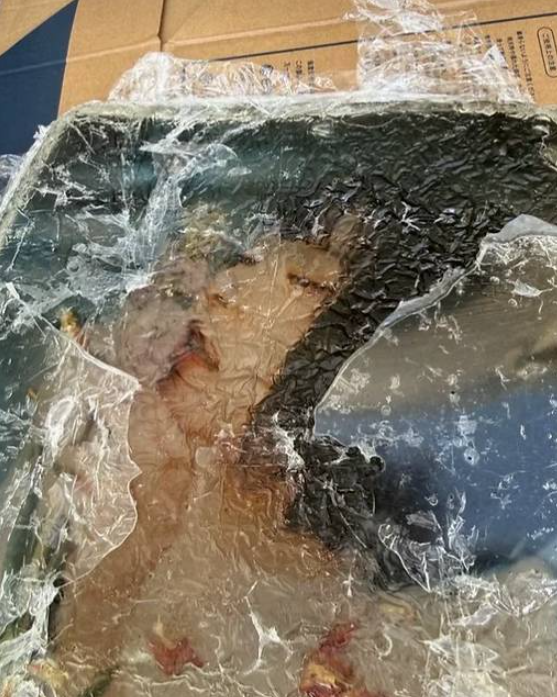
この平面的な限界、あるいはイメージの消費構造に対して、別の角度から物質的なアプローチを試みたのが、現在進行中の「FRP造形写真(FRP Sculptural Photography)」のプロセスです。
ここでは、一度抽出された写真(二次元のイメージ)に対して、工業用ポリエステル樹脂(FRP)を重ね合わせるという物理的な介入を行っています。樹脂が硬化する際の熱重合という不可逆な物理変化のプロセスにおいて、紙に定着していたイメージは引き裂かれ、歪み、樹脂の質量と同化していきます。
これは単に「写真を保護するためのコーティング」ではありません。むしろ、平面的な情報である写真を一度物理的に解体し、樹脂という圧倒的なマテリアルの内側へ「カプセル化(封印)」する行為に近いです。
ここにあるのは、視覚的な快楽を与えるための表面的な美観ではなく、イメージが「質量を持った三次元の彫刻」へと相転移する瞬間の生々しい実存感です。
3. 美術史的コンテキストの更新として
写真というメディアが誕生して以来、その歴史は「いかに精密に世界を写し、いかに容易に複製するか」という技術革新の歴史でもありました。しかし、デジタルによって複製のコストがゼロになった現代だからこそ、私たちは再び「物質そのものが持つ割り切れなさ」や「一点物(Pièce unique)としての実存」に向き合う必要があります。
二次元の複製芸術が持つ限界を、その内側から物理的に再構築すること。消費されゆくイメージを、FRP樹脂という硬質な物質によって空間に固定すること。
この試みは、単なる新しい技法の実験にとどまりません。それは、かつてデュシャンが拒絶した「網膜的な誘惑」を超え、写真という表現を再び「質量と空間の芸術(彫刻)」へと回帰させるための、美術史的なコンテキストに対する一つの批評的な提案なのです。


